Hip replacement surgery is a common procedure that helps people regain mobility and reduce pain caused by joint damage. Many patients who undergo Hip Replacement Treatment in Ahmedabad are able to return to daily activities with improved comfort. However, the surgery is only one part of the journey. Long-term success depends on following certain precautions throughout life. These precautions help protect the artificial joint, prevent complications, and ensure a better quality of life.
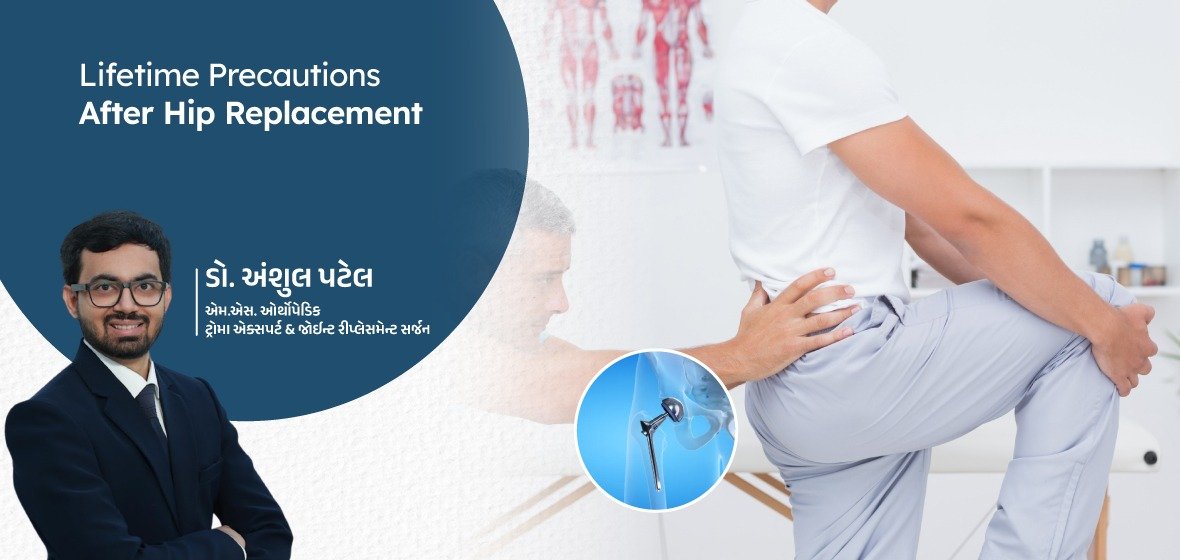
What Is Hip Replacement and How It Works
Hip replacement is a surgical procedure where a damaged hip joint is replaced with an artificial implant. The hip joint is a ball-and-socket joint. In this surgery, the damaged parts of the bone and cartilage are removed and replaced with metal, ceramic, or plastic components.
The artificial joint is designed to move smoothly, reduce pain, and restore function. After hip replacement treatment in Ahmedabad, patients usually go through rehabilitation and physiotherapy to regain strength and movement.
Even though the artificial joint is strong, it is not exactly the same as a natural joint. This is why lifelong care and precautions are necessary.
Why Lifetime Precautions Are Important
The artificial hip joint can wear out over time if not cared for properly. Certain movements, habits, or injuries can lead to dislocation, loosening, or damage to the implant.
Following precautions helps to:
- Increase the life of the implant
- Prevent dislocation
- Avoid unnecessary stress on the joint
- Maintain mobility and independence
Daily Movement Precautions
After surgery, patients need to be careful about how they move, sit, and perform daily tasks.
Avoid Extreme Bending
Do not bend your hip more than 90 degrees, especially in the early months. This means avoiding:
- Sitting on very low chairs
- Bending forward to pick up objects
Be Careful While Sitting
Choose chairs with proper back support and armrests. Your knees should not be higher than your hips while sitting.
Avoid Crossing Legs
Crossing legs can put pressure on the hip joint and increase the risk of dislocation. Keep your legs in a neutral position.
Sleep Position
Sleeping on your back is usually recommended. If you sleep on your side, place a pillow between your legs to maintain proper alignment.
Physical Activity and Exercise
Staying active is important after hip replacement treatment in ahmedabad, but not all activities are safe.
Safe Activities
Low-impact exercises help maintain joint health without causing damage. These include:
- Walking
- Swimming
- Cycling
These activities improve flexibility and muscle strength.
Activities to Avoid
High-impact activities can wear out the implant faster. Avoid:
- Running
- Jumping
- Contact sports
These movements can increase the risk of injury or implant failure.
Regular Physiotherapy
Physiotherapy plays an important role in recovery. It helps improve strength, balance, and flexibility. Continuing basic exercises even after recovery is helpful for long-term results.
Weight Management
Maintaining a healthy body weight is important. Extra weight puts pressure on the artificial joint and can reduce its lifespan.
A balanced diet with proper nutrition supports bone and joint health. Including calcium and vitamin D can be beneficial.
Fall Prevention
Falls are one of the biggest risks after hip replacement. A fall can damage the implant or cause fractures.
Tips to Prevent Falls
- Keep your home free of clutter
- Use non-slip mats in bathrooms
- Install handrails on stairs
- Wear proper footwear with a good grip
Being careful while walking on uneven surfaces is also important.
Regular Medical Check-Ups
Routine follow-ups with your doctor are necessary even if you feel fine. These check-ups help monitor the condition of the implant.
Doctors may suggest X-rays or physical examinations to ensure everything is working properly. Early detection of any issue can prevent serious complications.
Travel and Lifestyle Adjustments
People who have undergone hip replacement treatment in Ahmedabad can travel, but some precautions are needed.
While Traveling
- Avoid sitting for long hours without movement
- Take breaks to walk and stretch
- Keep your leg in a comfortable position
Daily Lifestyle Changes
Small adjustments in daily routines can have a significant impact. For example:
- Use assistive tools like grabbers to pick objects
- Avoid sudden twisting movements
- Move slowly and carefully
Signs You Should Not Ignore
Even with proper care, problems can sometimes occur. It is important to watch for warning signs such as the following:
- Sudden pain in the hip
- Swelling or redness
- Difficulty in movement
- Feeling that the joint is unstable
If you notice any of these symptoms, consult a doctor as soon as possible.
Long-Term Care and Implant Lifespan
Modern hip implants can last 15–20 years or even longer, depending on how well they are maintained. Following precautions regularly increases the chances of long-term success.
Consistency is key. Small habits followed daily can protect the joint and improve overall quality of life.