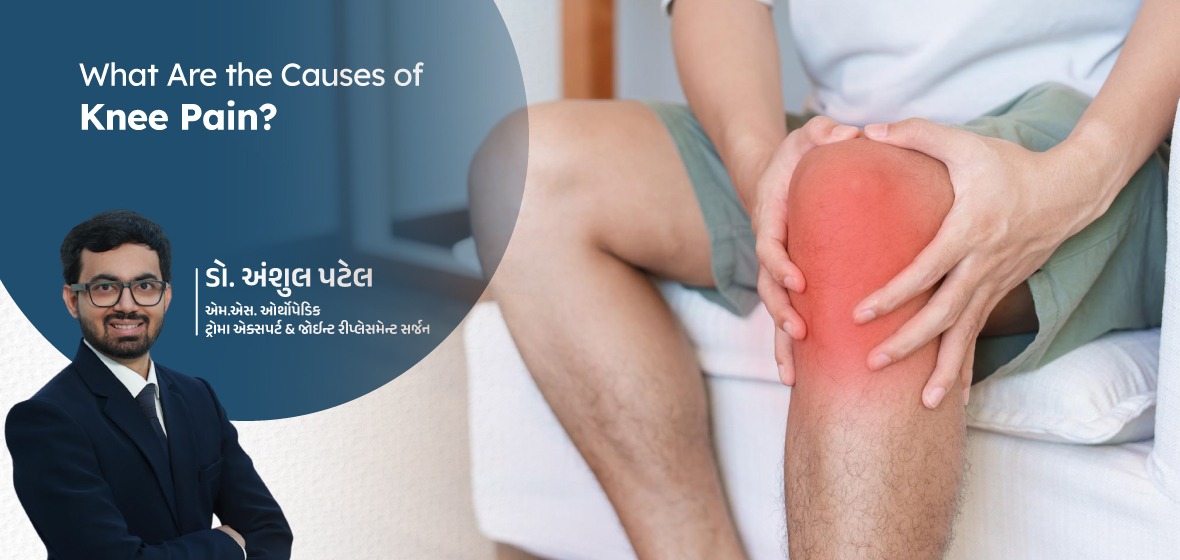
People of all ages have knee discomfort, which is one of the most frequent ailments people have today. Anyone can have knee pain, from athletes and fitness fans to elderly persons and others who don't move around much. Some cases are just transient and get better with rest, while others may last and make it hard to do ordinary things like walking, climbing stairs, or simply sitting for a long time. When knee discomfort starts to get in the way of daily living, many individuals search for therapy. Searching for Knee Pain Treatment in Ahmedabad? The first step in dealing with knee pain and stopping it from becoming worse is to figure out what causes it.
Understanding Pain in the Knee
One of the body's largest and most intricate joints is the knee. It joins the femur, or thigh bone, to the tibia, or shin bone, and works with muscles, ligaments, cartilage, and tendons to let you move smoothly. The knee is weak since it has to carry most of the body's weight. It can get hurt, stressed, and worn down over time.
Several things can cause knee discomfort, from basic muscular strain to more significant joint problems. Doctors can provide the best treatment approach if they know what is causing the problem.
What Causes Knee Pain Most Often
Several factors may cause knee pain. A number of the most common causes of knee discomfort are listed below.
1. Accidents
Tears in the ligaments, injuries to the meniscus, and damage to the tendons are all common knee problems. These injuries are prevalent among athletes who engage in activities such as running, football, or basketball. Even a small twist or bad landing can put stress on the knee joint, making it swell and hurt.
2. Osteoarthritis
Older persons are more likely to have this ailment, although younger people can still get it from using their joints too much or from past traumas. Osteoarthritis is a prevalent cause of knee discomfort among individuals worldwide.
3. Stress and overuse that happen over and over again
Engaging in repetitive activities that necessitate knee movement may result in excessive tension on the joint. Frequent squatting, heavy lifting, running long distances, and ascending stairs can all put stress on the muscles and tendons surrounding the knee.
Over time, this constant tension can cause pain and swelling. Individuals who engage in physically demanding occupations or engage in frequent physical exercise may experience knee discomfort.
4. Tendinitis
Tendinitis is the term used to describe the inflammation of the tendons that connect muscles to bones. In the knee, this ailment commonly hurts the patellar tendon, which links the kneecap to the shinbone.
It is frequently observed in athletes who participate in sports that necessitate soaring, such as volleyball or basketball. Consequently, it is referred to as "jumper's knee" by some individuals. Pain typically worsens with time and may worsen as you move.
5. Bursitis
You may have knee bursitis if you are injured, kneel for an extended period, or apply excessive pressure to your knee. This condition may be more prevalent among individuals who are employed in occupations that necessitate prolonged kneeling, such as electricians or carpenters.
6. Being overweight
The knee joints may be subjected to additional tension due to excess weight. Each additional kilogram of body weight necessitates a greater demand on the knees during each step or stair ascent.
The wear and tear on your joints can be exacerbated by the additional strain over time, resulting in conditions like osteoarthritis. Your risk of knee pain will be significantly reduced by maintaining a healthy weight.
7. Ligament injuries
Ligaments are robust tissues that facilitate the stabilisation of the knee by connecting bone to bone within a joint. Movement can be challenging, and the agony can be excruciating if these ligaments are ruptured.
By far the most commonly injured are: The anterior cruciate ligament (ACL) and the medial collateral ligament (MCL). Occasionally, individuals sustain injuries as a result of abrupt changes in direction or while engaging in sports.
In conclusion
Knee pain can range from minor injuries to chronic joint conditions. If people understand what causes knee pain in the first place, they can recognize early warning signs and take steps on the road to recovery. For more detailed information on causes of knee pain, visit Dr Anshul Patel at Krishna Hospital.